
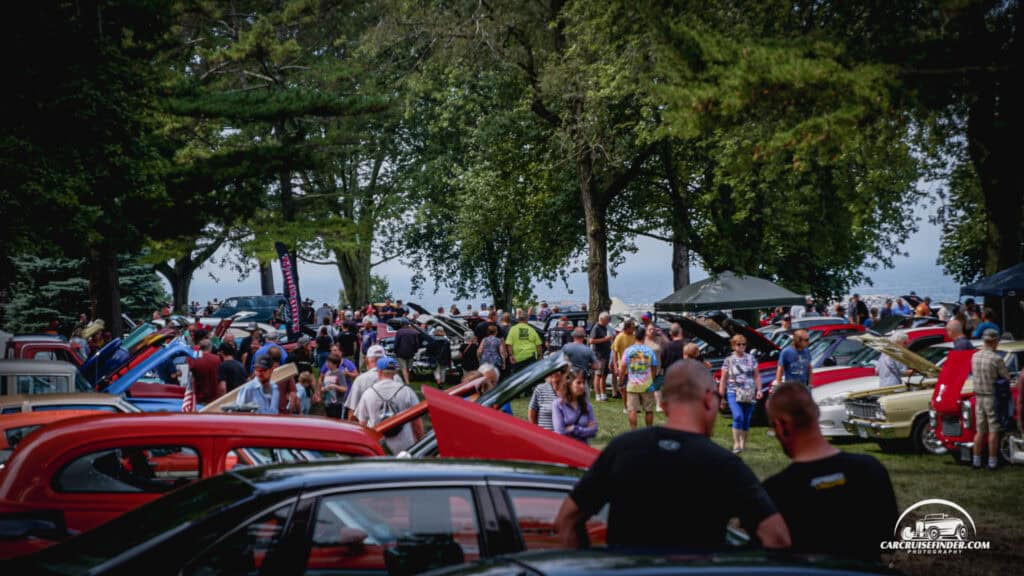
In our state Facebook groups, we asked car show fans what makes them leave early, what organizers get wrong, and what stops them from coming back. The comments covered everything from judging and old versus new cars to entry fees, loud music, long waits, and the way people treat each other. People didn’t agree on every detail, but several frustrations kept coming up.
For organizers, these are things worth thinking about before the next flyer goes out or the first car pulls in. For participants, some of the complaints may sound familiar—and some are things only the people attending can change. A good show takes planning, but it also takes a parking lot full of people willing to treat each other decently.
1. Judging Problems: When People Stop Trusting the Results
Judging complaints went beyond simply going home without a trophy. Commenters described club members judging their friends, entrants whose cars were never looked at, and judges who didn’t understand the vehicles in front of them. The frustration was paying to compete without feeling there had been a fair competition.
“When a club sponsors a show, their members are the judges, and the members win trophies.”
Kelly B., Alabama group
“Judges that do not know what they are looking at. They will score a historical car with modern gimmicks over an all original car.”
Phillip M., Kentucky group

The pattern: The issue is trust in how the awards are decided. A show doesn’t owe everybody a trophy, but every eligible entry should receive the judging that was promised. Explain the criteria, make sure no car is missed, and deal with conflicts of interest rather than expecting entrants to overlook them.
2. Old vs. New: What Belongs at a Car Show?
The old-versus-new argument was about more than putting cars in the wrong class. Some commenters didn’t want newer cars at the show at all, especially stock vehicles they felt they could see any day at a dealership. They wanted older cars, restorations, and something different from the traffic on the way there. For others, the frustration centered on the awards: spending years bringing an old car back to life, then watching a new car take the trophy.
“When there are a lot of new cars at the show. I can go to a dealership if I want to see new cars.”
Steven S., Virginia group
“Being judged against a new car after I spent money, years, time, to bring a 50 year car back to life and losing. There are definitely carshows or certain groups that I’ll never go back to.”
Kraig B., Georgia group

The pattern: This is a disagreement about what a car show should be, not just how the trophies are divided. A classics-only event needs a clear year cutoff that is actually enforced. An all-years event needs to give newer cars a fair place in the competition, not accept their entry fees and then ignore them. Separate classes can address mismatched judging, but they won’t satisfy someone who came specifically to see older cars. Organizers need to decide which kind of show they are holding and deliver it, rather than trying to promise both experiences at once.
3. No Shade, No Mercy: People Need a Break From the Sun
An open lot can have plenty of room for cars and nowhere for their owners to sit out of the sun. That was the problem behind the shade complaints: people spending hours beside their cars, often waiting for judging or awards, without a comfortable place to take a break. Shade for the participants needs to be part of the layout, not something they are left to figure out after arriving.
“No shade! Hate parking lot shows!”
Steve H., Ohio group
“Shows that are too long, arrive early and judging isn’t until 6-hours later in 90+ heat and typically, on asphalt. We have almost quit participating in “shows” and simply take her out for a spin on weekends.”
Lisa C., Mississippi group

The pattern: Long waits make an uncomfortable setup harder to tolerate. Plan shaded seating for people, leave room for personal canopies where the venue permits them, and explain the canopy rules beforehand. If shade is limited, reconsider the hours and the gap between registration and awards rather than asking everyone to tough it out.
4. Entry Fees That Don’t Match the Experience
The fee complaints weren’t all about the same thing. Some people questioned paying to provide the cars that everyone else came to see; others were willing to pay but expected the advertised judging and a worthwhile day in return. Either way, the cost is part of someone’s decision to enter—not something to explain only after they have driven to the show.
“That being said, if I pay an entry fee to a show marketed as “all makes and models welcome” I do expect to be at least judged.”
Jason L., Georgia group
“Having to pay to show my car. Shouldn’t it be the people who don’t have a car to show pay?”
Mike M., Illinois group
The pattern: There isn’t one price or format that satisfies both views. Make the vehicle entry fee, spectator charges, and what is included clear before people commit to the trip. A paid event without awards can still be enjoyable, but don’t let entrants discover at registration that it isn’t the kind of show they expected.
5. Loud Music and DJs Who Won’t Stop Talking
A car show is a place to ask about an engine, swap a repair story, or catch up with someone you haven’t seen since last season. Music becomes a problem when those conversations have to compete with the speakers. The complaints included both excessive volume and DJs who seemed determined to fill every quiet moment.
“Too loud of music, not enough restrooms and no food if during a meal time.”
Tim T., Michigan group
“DJs that talk too much, the worst is disorganization at awards time.”
Craig P., Michigan group
The pattern: People need to hear announcements without having the soundtrack take over their day. Walk the rows while the music is playing and try having a normal conversation, especially near the speakers. Check that announcements reach the back of the lot, and make the same expectations about volume clear to participants running their own stereos.
6. Confusing or Unfair Classes
Even within a classics-only show, a broad class can leave owners wondering what is actually being compared. One commenter objected to year ranges that spanned several decades. This is a question about the competition itself: which vehicles belong together, and what are the judges supposed to reward?
“Car classes being too broad. 1900-1950, 1951-1990 car classes need to be judged apples to apples”
Charles I., Oklahoma group
The pattern: Entrants should be able to understand why their cars are in a particular class and what the judging is based on. Depending on the show, distinctions such as vehicle era or stock versus modified may make sense; dividing cars by their price is not an automatic answer. Publish classes that fit the event, explain the criteria, and apply them consistently.
7. Disorganization and Poor Communication
Long waits become more frustrating when nobody can explain what is happening. Commenters described arriving early for a parking space and spending much of the day waiting for results. Others raised a problem that starts before the show: advertising that makes the time and place difficult to find, or reaching people only after the event is over.
“Get there early to get a decent parking spot and then wait until 4pm or later for judges results.”
Phil B., Missouri group
“Constantly finding out about it after the fact. Posters, Ads and marketing that seem to think place and time is the least important information to give, if at all.”
Jimmy H., Mississippi group

The pattern: People need enough information to plan their day and a schedule they can rely on. Put the date, full address, city and state, registration hours, public show hours, and awards time where they are easy to find. Set a realistic schedule, explain rain arrangements, and tell people promptly when something changes instead of leaving them guessing.
8. Cliques, Snobbery, and “Built vs. Bought” Attitudes
Built versus bought is about who did the work, not how old the car is. One owner built the hot rod themselves; another bought it already finished or paid a shop to build it. Both could own a 1932 Ford and still be on opposite sides of that argument. The problem for the show is when that difference becomes an excuse to look down on someone.
“Snobs that bring a $30,000 car that they’ve never worked on but paid someone to do all the work. […] you go to talk to them and they just snob you.”
Joel G., Michigan group
There is nothing wrong with being proud of the work you put into a car, and paying a shop doesn’t make someone a snob. The problem Joel described was being brushed off when he tried to talk to other owners. Other comments raised a separate but related problem: younger participants feeling unwelcome, regardless of who built their cars.
“Not welcoming the younger guys with their cars.”
Bob B., Iowa group

The pattern: Friendliness has to happen at the show. A line on an event page won’t undo a cold reception, volunteers who only help their friends, or participants who treat everyone else as outsiders. Organizers can apply the posted rules consistently, help newcomers as readily as regulars, and take complaints about rude treatment seriously; participants can start by giving the person parked next to them a chance.
9. Bathrooms, Food, and the Basics
These details may not be the reason someone enters a show, but they are part of the day once that person arrives. The comments included too few restrooms, facilities inconveniently located, and food choices that were missing or expensive. If a show runs through lunchtime, owners need to know whether they can get something to eat without leaving the event.
“Driving to the show, and the only food available is a trendy food truck with $20 and up selections, yet I just paid $15-$20 to get in the show.”
Kelly R., Minnesota group
“Having the lay out all wrong. Putting the bathrooms all on one side of show area and with Murphys law it’s on the opposite side of you.”
Paul A., Virginia group
The pattern: Don’t plan the site only around how many cars will fit. Walk it from the farthest parking spaces, check access to restrooms and water, and find out what the food vendors will offer and when they will be open. A sensible layout and a reasonably priced meal deserve attention before another attraction is added to the flyer.
What This Means for Show Organizers
The comments point to practical things to check, not a formula that guarantees a full field next year. Before the next show, take a look at the day you are asking owners to pay for and spend with you:
- Make judging accountable. Publish the method and criteria, make sure every eligible car is evaluated, and explain how conflicts involving judges or host-club entries will be handled.
- Decide where newer cars fit. Set and enforce a clear year cutoff for a classics-only show; at an all-years event, explain how newer vehicles will compete and give eligible entries the judging they were promised.
- Provide shade for people. Plan places for owners to sit out of the sun, explain canopy rules, and avoid unnecessarily long waits in the heat.
- Be clear about the cost. Separate vehicle registration from spectator admission, explain what the fee includes, and identify the beneficiary when the show is a fundraiser.
- Check the sound from the show field. Keep normal conversation possible and important announcements audible, rather than judging the volume from beside the DJ.
- Use classes that fit the cars and the event. Explain which vehicles qualify and what the judges will reward; don’t assume a price bracket makes a competition fair.
- Publish the details and respect the schedule. Include the full location, hours, fees, and rain policy, then communicate changes instead of letting rumors fill the gap.
- Make the welcome real. Give newcomers the same help and courtesy as regulars, apply the posted rules consistently, and address rude treatment when it is brought to your attention.
- Check the everyday necessities. Confirm restroom access, drinking water, food choices and prices, and room for people to move comfortably around the cars.
The Bottom Line
There is work on both sides of the registration table. Organizers have to deliver the event they advertised, while participants help shape the atmosphere once the cars are parked. You don’t have to like every vehicle or agree with every award to treat the people around you well.
What runs through these complaints is the feeling that something important was overlooked: a fair look at the car, somewhere shady to sit, a schedule worth trusting, or a conversation without being brushed off. None of those things requires a bigger trophy. They require thinking about the people who brought the cars—and giving them a day they would choose to spend with you again.

Running a show? List your event on CarCruiseFinder.com with the details car owners need to plan their visit.